
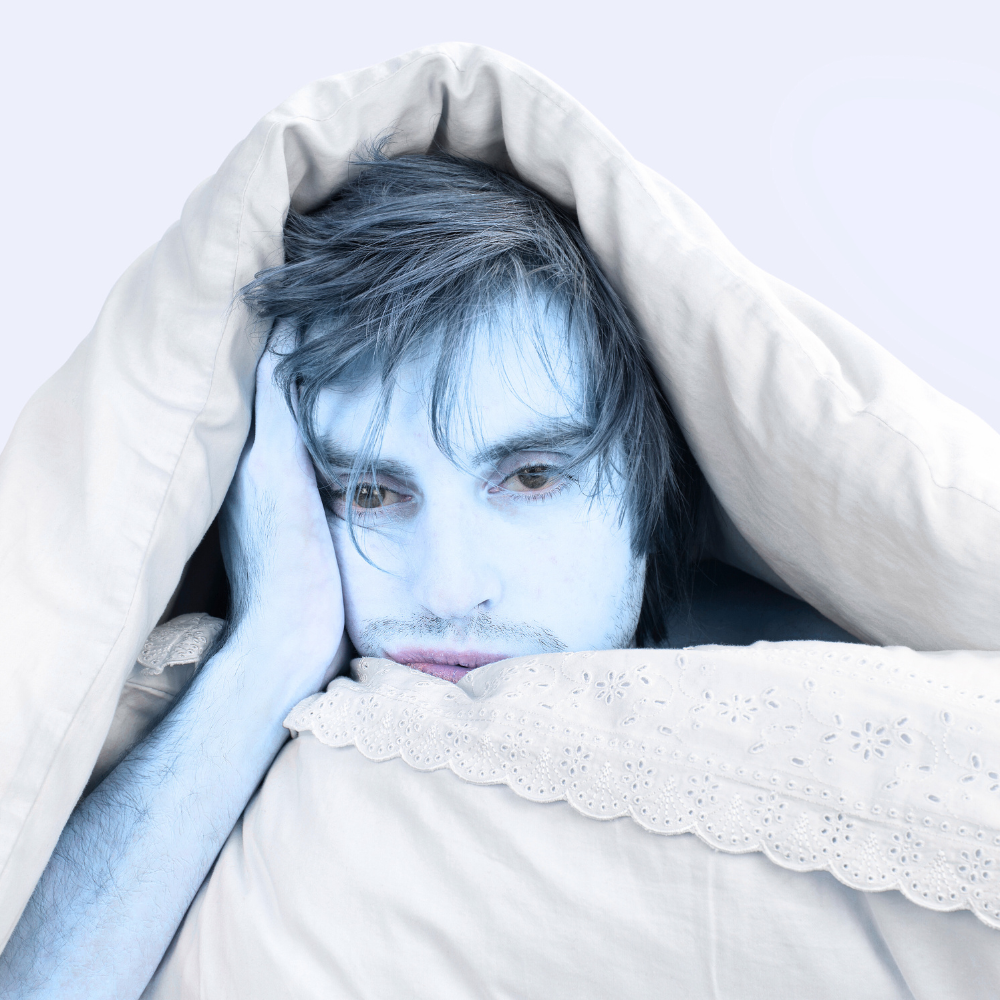
You’re exhausted. You’ve yawned all evening, your eyes are heavy, and you’re counting down the minutes until you can finally crawl into bed. But then, the moment your head hits the pillow… nothing. Your mind lights up, your body won’t relax, and sleep feels miles away.
Sound familiar? You’re definitely not alone.
If you’re wondering why you can’t sleep even when you’re tired, there are several surprising reasons that might be behind it. Let’s break it down and get to the bottom of what’s really keeping you up.
The Tired-But-Wired - Your Brain in in Overload
One of the most frustrating sleep problems is feeling physically tired but mentally wired. This happens when your nervous system is overstimulated, even if your body is crying out for rest. You might have had a stressful day, too much screen time, or a late coffee without realising it—all of which can send mixed signals to your brain.
When stress hormones like cortisol are high in the evening, they tell your brain it’s still go-time, not bedtime. So even though your body is tired, your brain is wide awake and ready to plan tomorrow’s to-do list (or relive that awkward conversation from three years ago… thanks, brain).
Common Reasons You Can’t Fall Asleep
Bad Sleep Routine
If you’re going to bed at wildly different times every night, your body clock (circadian rhythm) can get totally out of sync. You might feel tired at 9 p.m. one night, then wired until 2 a.m. the next. Your internal clock loves routine, so even just a few nights of inconsistent sleep can throw things off.
🕒 Fix it: Try going to bed and waking up at the same time every day—even on weekends. Yes, it’s tough, but it works.
You’re Using Screens Right Before Bed
Scrolling through your phone or watching TV in bed might feel relaxing, but the blue light from screens actually tricks your brain into thinking it’s still daytime. This suppresses melatonin (your sleep hormone) and delays the natural onset of sleep.
📱 Fix it: Power down screens at least an hour before bed. Try a book, a podcast, or even some journaling instead.
You're Anxious About Sleep (Or Life in General)
Worrying about falling asleep can become a vicious cycle. The more you stress about not sleeping, the more alert you feel. This kind of sleep anxiety is a common part of insomnia.
🧠 Fix it: Try focusing on relaxation, not sleep. Deep breathing, meditation, or even writing your worries in a journal can help calm your mind.
Caffeine (and Sugar) Are Still in Your System
Even if you had your last coffee in the early afternoon, caffeine can linger in your system for up to 10 hours. And don’t forget sugary snacks or energy drinks—they can cause crashes that leave you feeling tired but unable to fully wind down.
☕ Fix it: Stick to decaf after lunch and be mindful of hidden sources of caffeine (like chocolate or soft drinks).
Your Bedroom Isn’t Sleep-Friendly
Too much light, noise, or even the wrong temperature can keep your body from fully relaxing into sleep mode. If your bedroom doesn’t feel like a calming retreat, your sleep can suffer—even when you’re super tired.
🛏️ Fix it: Make your bedroom cool, quiet, and dark. Consider blackout curtains, white noise machines, or even a weighted blanket to help you settle.
You’re Taking Naps That Are Too Long
A nap can be great—but if it’s too long or too late in the day, it can mess with your natural drive to sleep at night.
😴 Fix it: Keep naps under 30 minutes and avoid snoozing after 3 p.m.
When It’s More Than Just a Bad Night
If you’ve already taken steps to improve your sleep routine—cutting back on caffeine, keeping a consistent bedtime, limiting screen time—and you’re still lying awake at night despite feeling exhausted, it might be time to look a little deeper.
If sleep has become a regular struggle—lasting more than three nights a week for over three months—you might be dealing with chronic insomnia. You don’t have to be completely sleepless to have insomnia—just having disrupted or poor-quality sleep that leaves you feeling unrested during the day can be a sign. This can be caused by:
Mental health issues like anxiety, depression, or PTSD
Hormonal changes, including perimenopause or thyroid imbalances
Medical conditions like chronic pain or acid reflux
Certain medications
Sleep disorders like restless leg syndrome or sleep apnoea
What to Do If Sleep Still Won’t Come
If you’ve cleaned up your sleep habits and you’re still struggling, it’s worth speaking to your GP or a sleep specialist. They can help identify what’s going on beneath the surface—whether it’s a medical issue, hormone imbalance, or something else entirely.
Treatments might include:
Cognitive Behavioural Therapy for Insomnia (CBT-I) – a gold-standard, non-medication approach
Short-term medication – if appropriate, and only under medical supervision
Lifestyle changes tailored to your unique situation
Further sleep studies, if conditions like sleep apnoea are suspected
You don’t have to suffer night after night trying to figure it out on your own. Help is available—and with the right support, better sleep is possible.




One Response