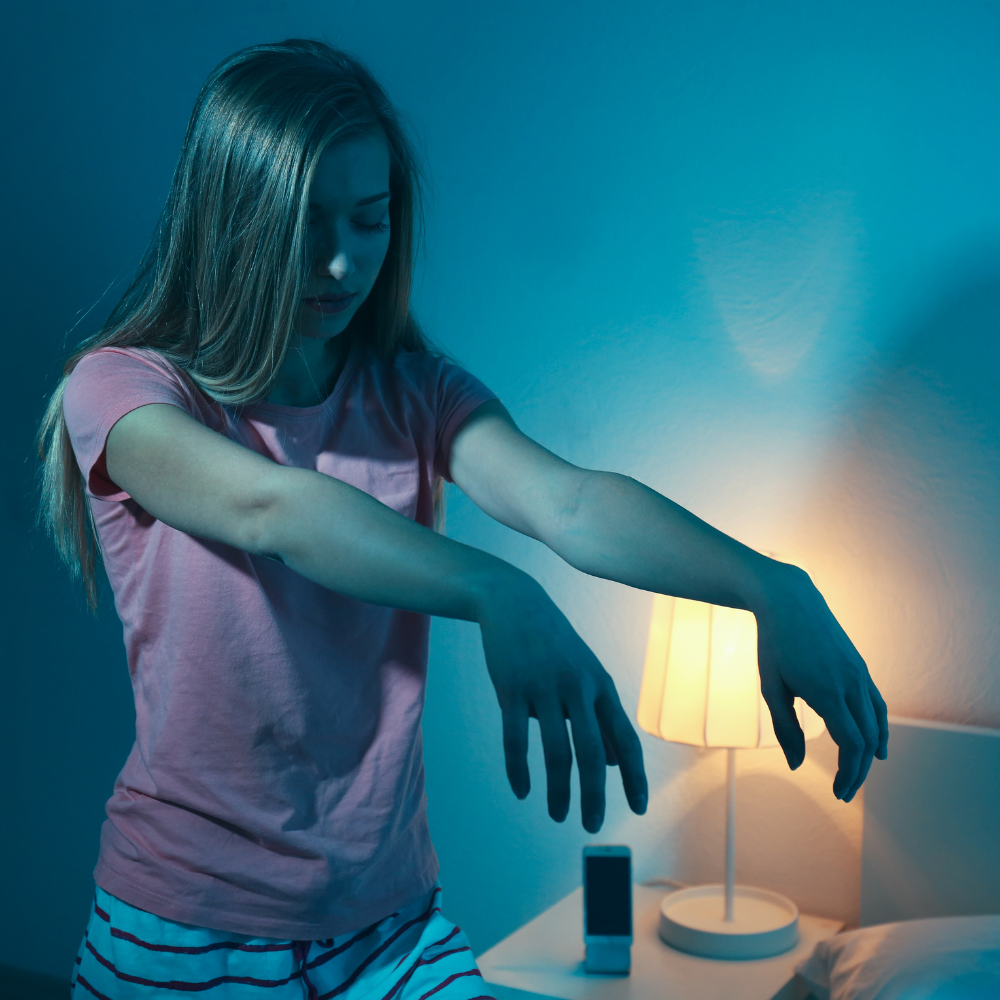
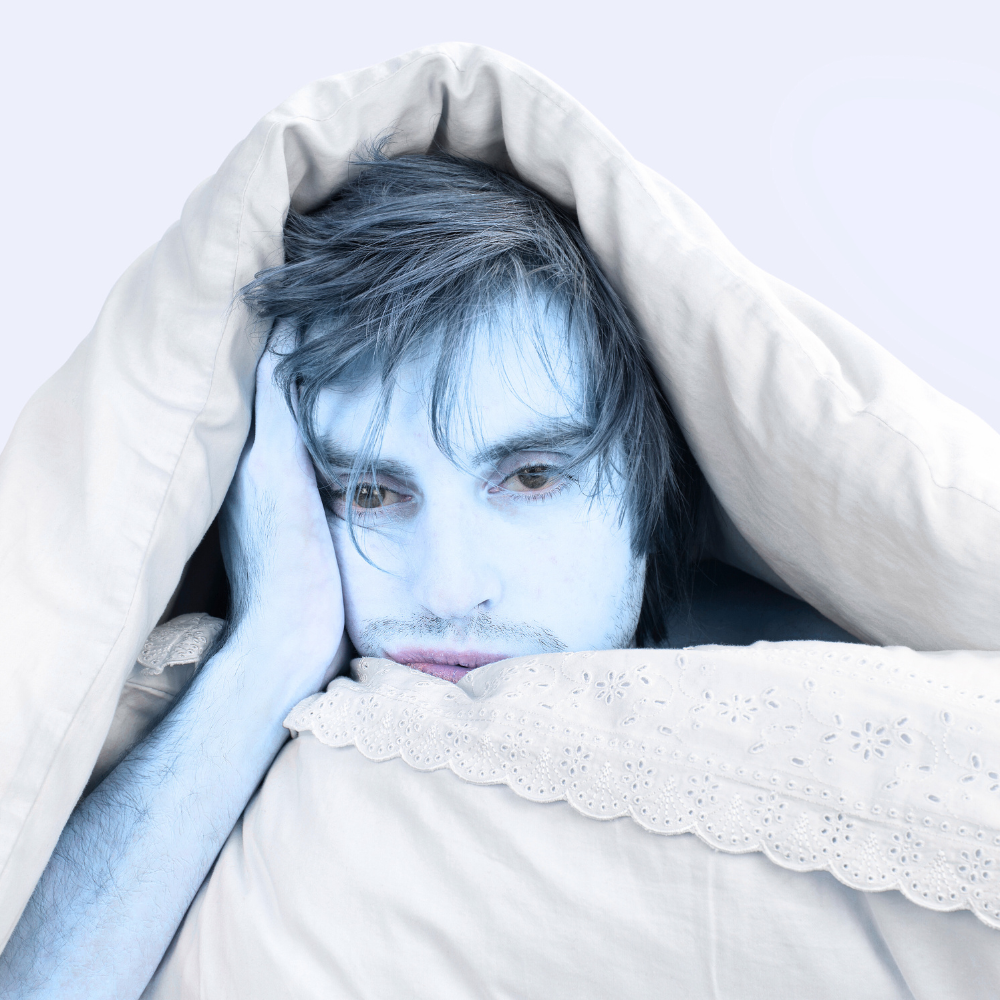
Have you ever woken up to find yourself sleepwalking, talking, or even acting out your dreams? If so, you might be familiar with parasomnia — a group of unusual behaviours that happen during sleep. Although often associated with children, parasomnias can also affect adults, sometimes in surprising ways.
In this article, we’ll explore what causes parasomnia in adults, why it happens, and what you can do if you or someone you know is experiencing it. Ready to get to the bottom of those midnight mysteries? Let’s go!
What Exactly Is Parasomnia?
Parasomnia is an umbrella term for a variety of disruptive sleep behaviours that occur during transitions between sleep stages. These can include sleepwalking, night terrors, sleep talking, and even acting out dreams. While many people might experience an occasional episode, for some adults these behaviours are frequent and can significantly disrupt sleep quality — not to mention cause worry or embarrassment.
The good news? Parasomnias aren’t usually dangerous in themselves, but understanding their causes is key to managing them effectively.
Common Causes of Parasomnia in Adults
1. Sleep Deprivation and Poor Sleep Hygiene
One of the leading causes of parasomnia is simply not getting enough good-quality sleep. When your sleep is disrupted, your brain’s natural cycle can get thrown off balance, increasing the likelihood of parasomnia episodes. Late nights, irregular sleep schedules, or frequent waking can all contribute.
According to the Sleep Council UK, maintaining a consistent bedtime routine and getting 7-9 hours of sleep each night can help reduce sleep disturbances and improve overall sleep health (sleepcouncil.org.uk, 2024).
2. Stress and Anxiety
Stress is a sneaky culprit behind many sleep issues, including parasomnia. When your mind is tense or overwhelmed, it can interfere with how smoothly your brain moves through the stages of sleep. This can lead to more vivid dreams, night terrors, or even sleepwalking.
If you’ve had a particularly stressful week or are dealing with ongoing anxiety, you might notice your sleep behaving oddly — and parasomnia could be part of the picture.
3. Certain Medications and Substances
Some medications, especially those affecting the central nervous system like antidepressants, sedatives, or stimulants, can trigger parasomnia symptoms. Likewise, alcohol and recreational drugs can disrupt your sleep cycles and increase the chances of unusual behaviours at night.
If you’ve recently started a new medication and notice sleepwalking or other strange sleep behaviours, it’s worth discussing this with your doctor.
4. Underlying Medical Conditions
Certain medical conditions can also contribute to parasomnia in adults. These include sleep disorders like obstructive sleep apnea, neurological conditions such as Parkinson’s disease, and psychiatric disorders.
Sometimes, parasomnia can be a side effect or symptom of these underlying issues, so it’s important to seek professional advice if episodes become frequent or severe.
5. Genetic Factors
Interestingly, parasomnia can run in families. If you have close relatives who experience sleepwalking or other parasomnias, you might be more prone to them yourself. This suggests a genetic component, although it’s not the only factor.
Common Causes of Parasomnia in Adults
If parasomnia is interfering with your sleep or causing distress, there are steps you can take:
Improve your sleep hygiene: Regular sleep times, a relaxing bedtime routine, and a comfortable sleep environment can make a big difference.
Manage stress: Mindfulness, meditation, or talking therapies can help reduce anxiety that may trigger episodes.
Avoid alcohol and stimulants: Especially close to bedtime, to keep your sleep cycle steady.
Consult a healthcare professional: If episodes are frequent, violent, or causing injury, a sleep specialist can help diagnose and treat the issue.
Final Thoughts
Parasomnia in adults can be unsettling, but it’s usually manageable once you understand what causes it. Often, improving sleep quality and reducing stress are the keys to fewer episodes and better nights. If you or someone you know is experiencing unusual sleep behaviours, don’t hesitate to seek advice — better sleep is within reach!
Do You Have a Sleep Parasomnia Story to Share?
Sharing your experience with parasomnia can be a powerful way to feel less alone — and to help others feel the same. These unusual sleep behaviours can be confusing, sometimes even frightening, but speaking openly about them helps break the stigma and normalises the conversation. Whether you’ve had vivid dreams, sleepwalking episodes, or unsettling night terrors, your story might just be the one that gives someone else the confidence to seek support or speak to a GP.
Every experience matters, and by sharing yours, you’re not only taking a positive step in your own journey — you’re also helping to build a more understanding and supportive community around sleep health.