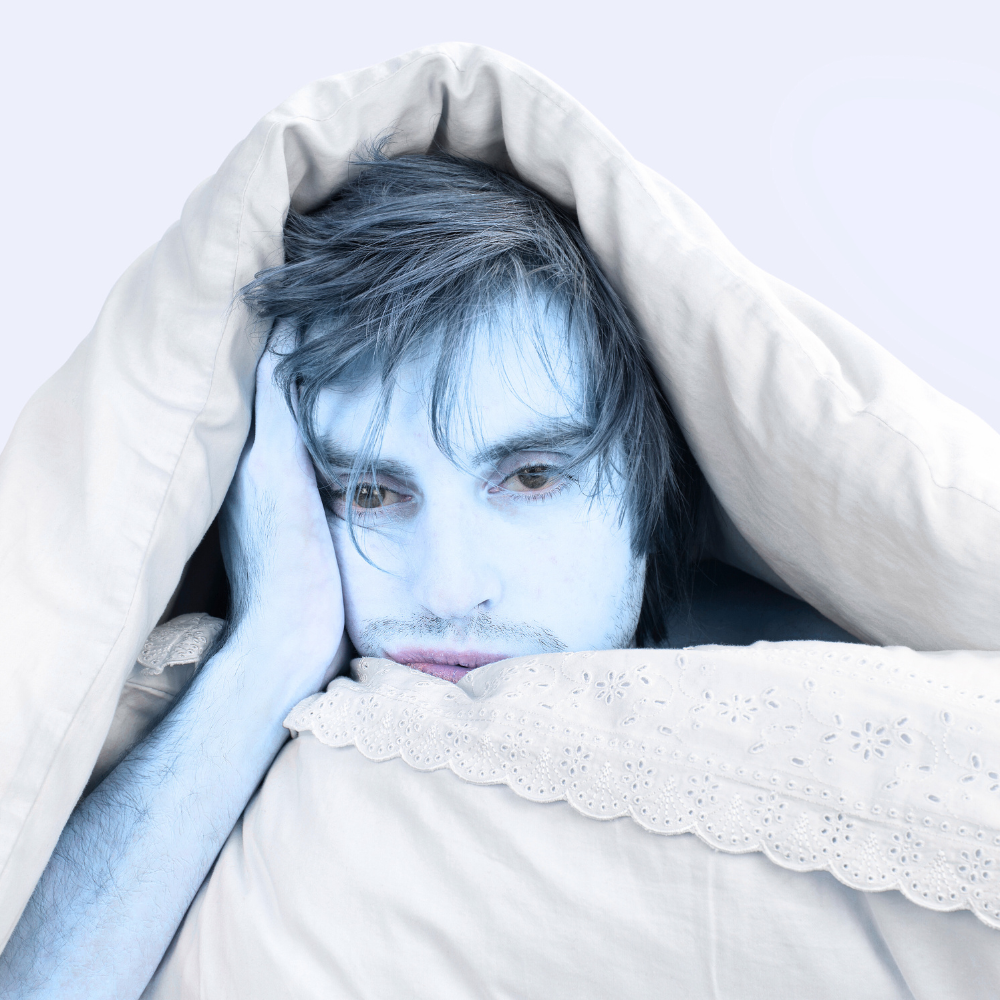
In our fast-paced world, sleep is often sacrificed in favour of productivity, late-night scrolling, or stress-induced insomnia. But what many people don’t realise is just how deeply connected sleep is to mental health.
While we commonly prioritise nutrition, exercise, and mindfulness when talking about wellbeing, sleep is the often-overlooked foundation. Without it, everything else starts to crumble. This article explores how poor sleep affects mental health, the powerful benefits of high-quality rest, and simple changes you can make to support both your mind and your mood.
Why Sleep Matters for Mental Health
Sleep isn’t just a passive activity — it’s a critical time for the brain to recover, rebalance, and repair. While your body rests, your brain gets busy processing emotions, consolidating memories, and restoring neurotransmitters that regulate mood.
What Happens When You Don’t Sleep Well?
Poor sleep disrupts this entire process. Research consistently links chronic sleep issues to mental health challenges such as:
Depression
Anxiety
Emotional instability
Poor concentration and memory
Increased risk of mental health relapse
For example, when sleep is disrupted, the brain’s emotional regulation centre — the amygdala — becomes more reactive, while the prefrontal cortex (which helps you manage impulses and make rational decisions) becomes less active. This makes it harder to cope with daily stressors and easier to spiral into overwhelm or anxiety.
Studies have shown that people with insomnia are significantly more likely to develop mental health conditions. In fact, sleep issues often appear before other symptoms — making them one of the earliest warning signs that your mental health may be under strain.
The Sleep - Mental Health Cycle
The relationship between sleep and mental health is two-way. Poor sleep contributes to mental health problems, and mental health problems make it harder to sleep.
This creates a difficult cycle:
You feel anxious or low → you can’t sleep well
You sleep poorly → your mental state worsens
You become more stressed → sleep becomes more disrupted
Without intervention, this pattern can lead to burnout, emotional instability, and persistent low mood.
How Good Sleep Supports Your Mind
The positive news? Improving your sleep can make a powerful difference to your mental wellbeing — even if nothing else changes. Here’s how:
It Improves Mood and Reduces Anxiety
Sleep helps regulate the brain chemicals that control mood, such as serotonin and dopamine. A well-rested brain is better at keeping emotions in check, making you less likely to experience mood swings, anxiety, or irritability.
It Helps You Handle Stress
Chronic stress increases cortisol (the stress hormone), and poor sleep raises it even more. Quality sleep helps regulate cortisol, improving your ability to manage stress, stay calm, and make thoughtful decisions.
It Supports Focus and Mental Clarity
Lack of sleep affects memory, decision-making, and cognitive performance. Restful sleep sharpens attention and helps you think clearly — especially under pressure.
It Boosts Emotional Resilience
One of the biggest benefits of consistent, good-quality sleep is emotional resilience. With better sleep, people often find they can bounce back more quickly from setbacks, stay more even-keeled in relationships, and avoid mental burnout.
Signs Your Sleep Might Be Affecting Your Mental Health
You don’t need to be pulling all-nighters to feel the impact of poor sleep. Subtle signs might include:
Waking up tired even after a full night in bed
Feeling low, anxious, or emotionally drained most days
Snapping at people or crying more easily than usual
Struggling to focus or feeling mentally “foggy”
Relying on caffeine, sugar, or distractions to get through the day
If these sound familiar, improving your sleep could be one of the most impactful things you do for your mental health.
How to Improve Your Sleep for Better Mental Health
Creating better sleep habits doesn’t need to be complicated. These small steps can help you feel calmer, clearer, and more emotionally grounded.
Keep a Regular Sleep Schedule
Go to bed and wake up at the same time each day, even on weekends. A consistent rhythm helps your body’s internal clock (circadian rhythm) stabilise, making it easier to fall asleep and stay asleep.
Wind Down Before Bed
Spend the last hour of your evening doing calming, screen-free activities. Try:
Reading
Light stretching or yoga
Listening to calming music
Taking a warm bath
Guided meditation or breathing exercises
Limit Caffeine, Alcohol, and Late Eating
Caffeine can disrupt sleep for up to 8 hours, so cut it off by mid-afternoon. While alcohol may make you sleepy, it often leads to fragmented, low-quality sleep. Heavy meals too close to bedtime can also affect rest.
Reduce Screen Time
The blue light from screens interferes with melatonin, your body’s natural sleep hormone. Try to switch off devices at least an hour before bed, or use blue light filters.
Create a Restful Sleep Environment
Your bedroom should be a calm, inviting space. Make it cool, dark, and quiet. Use blackout curtains, white noise machines, or aromatherapy (lavender is particularly effective) to create a sense of comfort and safety.
Practice Stress-Reducing Techniques
Techniques like journaling, mindfulness meditation, or progressive muscle relaxation can calm racing thoughts and prepare your body for sleep.
When to Seek Help
If you’ve tried adjusting your sleep habits and still struggle, consider speaking with a healthcare professional. Chronic insomnia can be linked to underlying conditions — physical or psychological — and often requires targeted treatment.
A therapist can also help if your sleep is being disrupted by anxiety, trauma, or stress. Cognitive Behavioural Therapy for Insomnia (CBT-I) is a proven method that combines sleep education with practical strategies to improve sleep quality over time.
Final Thoughts: Sleep Is Essential, Not Optional
Good sleep isn’t a luxury — it’s a form of emotional first aid. Whether you’re navigating stress, recovering from burnout, or simply looking to feel more like yourself again, prioritising sleep can make all the difference.
It’s easy to overlook sleep when life feels overwhelming, but reclaiming it may be the single most powerful act of self-care you can take.