
Maybe your snoring is the punchline to a family joke, or something you try to laugh off even though it leaves you feeling exhausted every morning. Or maybe it’s a source of embarrassment, making you dread sharing a room or falling asleep around others.
But what if that snoring isn’t just noise?
What if it’s actually a warning sign from your body—one that points to a serious, often overlooked condition?
That’s where Sleep Apnea comes in.
What Is a Sleep Disorder, Really?
A sleep disorder is more than just a few rough nights. It’s a condition that regularly affects the quality, timing, or duration of your sleep—and in turn, affects how you feel and function during the day.
One of the most common and underdiagnosed sleep disorders is Obstructive Sleep Apnea (OSA). This condition causes your airway to become partially or completely blocked while you sleep, which means your body literally stops breathing for brief periods—sometimes hundreds of times a night. Scary, right?
Why Getting Diagnosed Matters?
Snoring and sleep apnea are often confused because they both involve noisy breathing during sleep—but they are not the same thing. Here’s a clear explanation of how they’re different, and why it matters:
Snoring: A Symptom, Not a Disorder
Snoring is the sound caused by turbulent airflow as air moves through relaxed tissues in your throat during sleep. These tissues vibrate, creating that familiar (and often annoying) sound.
Snoring is common and not always dangerous. Many people snore occasionally—due to allergies, alcohol use, a cold, or sleeping on their back.
However, snoring can be a sign of something more serious, especially if it’s loud, chronic, and paired with other symptoms like choking or daytime fatigue.
Sleep Apnea: A Serious Medical Condition
Sleep apnea—particularly Obstructive Sleep Apnea (OSA)—goes beyond just snoring. It’s a condition where your airway becomes partially or completely blocked during sleep, causing your breathing to stop for 10 seconds or longer, sometimes hundreds of times a night.
Each time your breathing stops, your brain wakes you up just enough to start breathing again. These micro-awakenings disrupt your deep sleep, even if you don’t remember them.
Why It’s Important to Know the Difference
Snoring is a warning light. If you snore but feel well-rested, you might not have sleep apnea—but it’s worth monitoring.
Sleep apnea is a health risk. Left untreated, it increases your risk of heart disease, high blood pressure, stroke, type 2 diabetes, and even accidents due to daytime sleepiness.
Not all snorers have sleep apnea, but most people with sleep apnea snore. That’s why it’s crucial to look at the bigger picture—including how you feel during the day.
Why Getting Diagnosed Matters?
You might think, I’ll be fine, I’m just tired. But poor sleep isn’t something you should ignore—especially when it starts to impact your mental and physical health. Snoring is a sound. Sleep apnea is a condition. If you or someone close to you suspects there’s more to your snoring than meets the ear, don’t ignore it. Getting a diagnosis could be the first step toward safer, healthier sleep.
Here’s why you should consider speaking to your doctor or a sleep specialist:
Fatigue isn’t just annoying—it’s dangerous. Lack of restorative sleep increases your risk of car accidents, poor work performance, and serious health problems like heart disease, diabetes, and depression.
Sleep apnea often goes unnoticed. Many people don’t realize they stop breathing in their sleep. Often, it’s a partner who notices the signs.
A diagnosis opens the door to solutions. Whether it’s a CPAP machine, lifestyle changes, or medication, getting properly diagnosed means you can start managing your symptoms and feeling like yourself again.
Common Signs You Might Have Sleep Apnea?
Not sure if sleep apnea is your issue? Keep an eye out for these symptoms:
Loud snoring
Waking up gasping for air
Excessive daytime sleepiness
Morning headaches
Mood swings or irritability
Trouble concentrating
Even if these signs seem mild, they’re worth checking out. Left untreated, sleep apnea doesn’t just go away—it gets worse.
What You Can Do Today
Start Tracking Your Sleep
Keep a simple sleep diary or use a sleep-tracking app. Note:
What time you go to bed and wake up
How long it takes you to fall asleep
How many times you wake up during the night
Whether you feel rested in the morning
- If you have a partner get them to notice if you gasp for breath
This information can be incredibly useful for a doctor or sleep specialist and helps you spot patterns over time.
Talk to Your Doctor or Dentist
If you’re snoring heavily or waking up gasping for air, don’t brush it off. A quick consultation could lead to:
A referral for a sleep study (either at home or in a sleep lab)
A discussion of lifestyle changes
A recommendation for a mandibular advancement device if your symptoms are mild
Explore Anti Snoring Devices
One of the most effective non-invasive treatments for snoring and mild sleep apnea is a mandibular advancement device (MAD). This custom-fitted mouthpiece:
Repositions your lower jaw slightly forward
Keeps your airway open while you sleep
Reduces or eliminates snoring
Is often recommended when CPAP isn’t required or tolerated
You can get a MAD through a sleep-trained dentist or sometimes even over-the-counter versions (though custom-fitted ones are more effective and comfortable).
Other helpful options include:
Nasal strips or dilators to open nasal passages
Chin straps to keep the mouth closed during sleep
Positional therapy aids, like specialised pillows or shirts that prevent back-sleeping (which worsens snoring)
Make Lifestyle Changes That Really Work
Simple daily habits can make a big difference in your sleep quality and snoring levels:
Lose excess weight – Extra tissue around your neck can compress the airway.
Limit alcohol – Alcohol relaxes throat muscles, making snoring worse.
Stop smoking – Smoking irritates and inflames the airways.
Establish a sleep routine – Going to bed and waking up at the same time every day helps regulate your internal clock.
Sleep on your side – Back-sleeping increases the chance of airway blockage.
Why a Sleep Apnea Diagnosis Can Save Your Life
It might sound dramatic—but it’s true. Getting diagnosed with sleep apnea could genuinely save your life.
Sleep apnea isn’t just about snoring or feeling tired. It’s a serious medical condition where your breathing repeatedly stops and starts while you sleep. Each time it happens, your body is deprived of oxygen. You might not notice it—but your heart, brain, and overall health definitely do.
Here’s how getting a diagnosis can protect your health and even your life:
It Reduces Your Risk of Heart Disease and Stroke
Untreated sleep apnea puts your heart under constant stress. Every time your oxygen level drops, your blood pressure rises. Over time, this increases your risk of:
High blood pressure
Irregular heartbeat (arrhythmias)
Heart attacks
Strokes
In fact, people with severe sleep apnea are up to three times more likely to have a stroke or fatal heart event.
It Protects Your Brain and Mental Health
Your brain needs deep, restorative sleep to function properly. When sleep is constantly disrupted, your risk of:
Depression and anxiety
Memory loss
Difficulty concentrating
Dementia (over time)
goes up significantly.
A diagnosis can get you started on treatment that restores proper oxygen flow and lets your brain finally rest.
It Prevents Dangerous Daytime Sleepiness
Falling asleep at your desk is frustrating. Falling asleep at the wheel is deadly.
Sleep apnea increases your risk of car accidents and workplace injuries. Daytime drowsiness is more than just an inconvenience—it’s a serious hazard to you and those around you. Diagnosing and treating your condition can restore alertness and focus, helping you stay safe every day.
It Improves Sleep Quality—for You and Your Partner
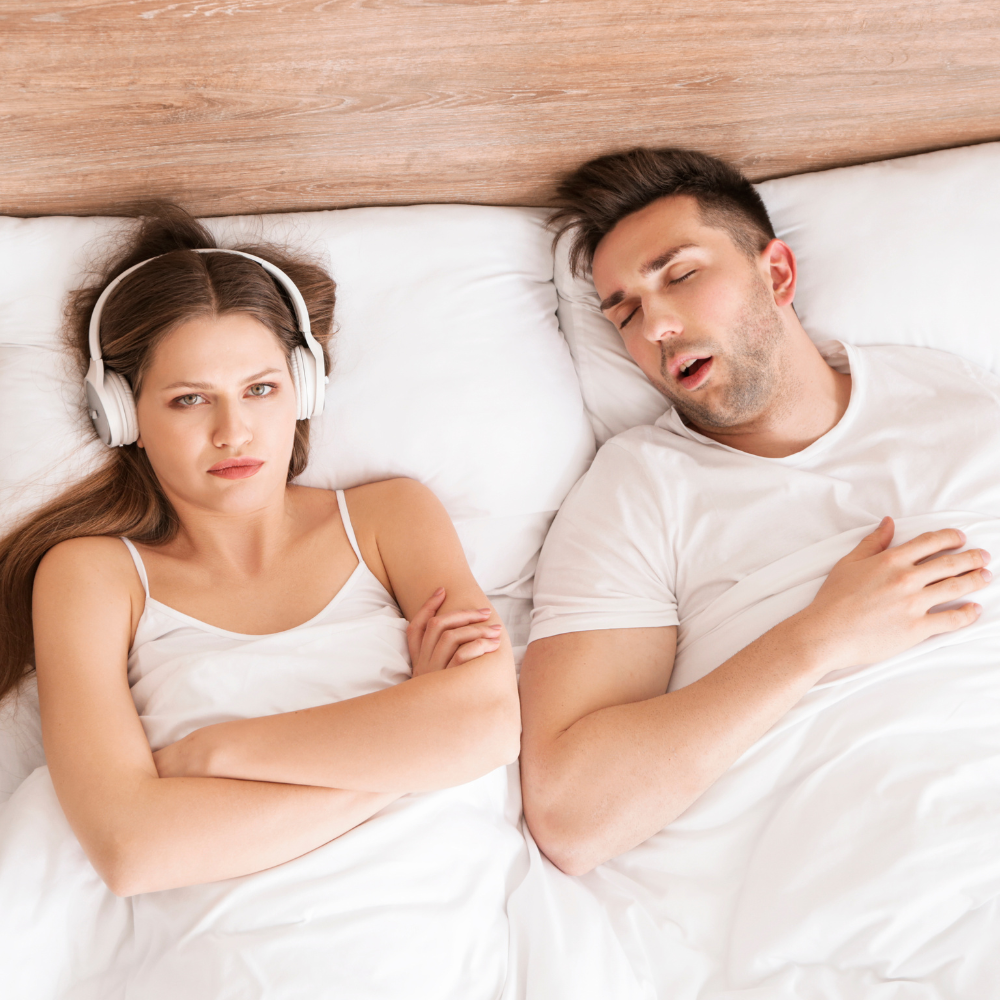
Snoring, choking sounds, and restless nights don’t just affect you—they affect your partner, too. Sleep apnea can strain relationships and leave both of you feeling exhausted and disconnected.
Getting diagnosed means you can stop the cycle of disrupted sleep and finally wake up feeling rested—together.
Early Diagnosis Means More Treatment Options
The earlier sleep apnea is diagnosed, the easier it is to treat. From CPAP machines to oral devices and lifestyle changes, there are many options available. But the longer it goes untreated, the more damage it can do to your body—and the harder it becomes to reverse those effects.
Final Thoughts: Sleep Is Not a Luxury—It’s a Lifeline
If you’re dealing with constant fatigue, brain fog, or snoring that shakes the walls, your body is trying to tell you something. Sleep disorders like sleep apnea don’t just affect your nights—they affect your entire life.
Getting a proper diagnosis could be the first step toward better sleep, better health, and a better you. So listen to your body, ask the tough questions, and take action. You deserve to wake up feeling rested, clear-headed, and ready for the day.


2 responses