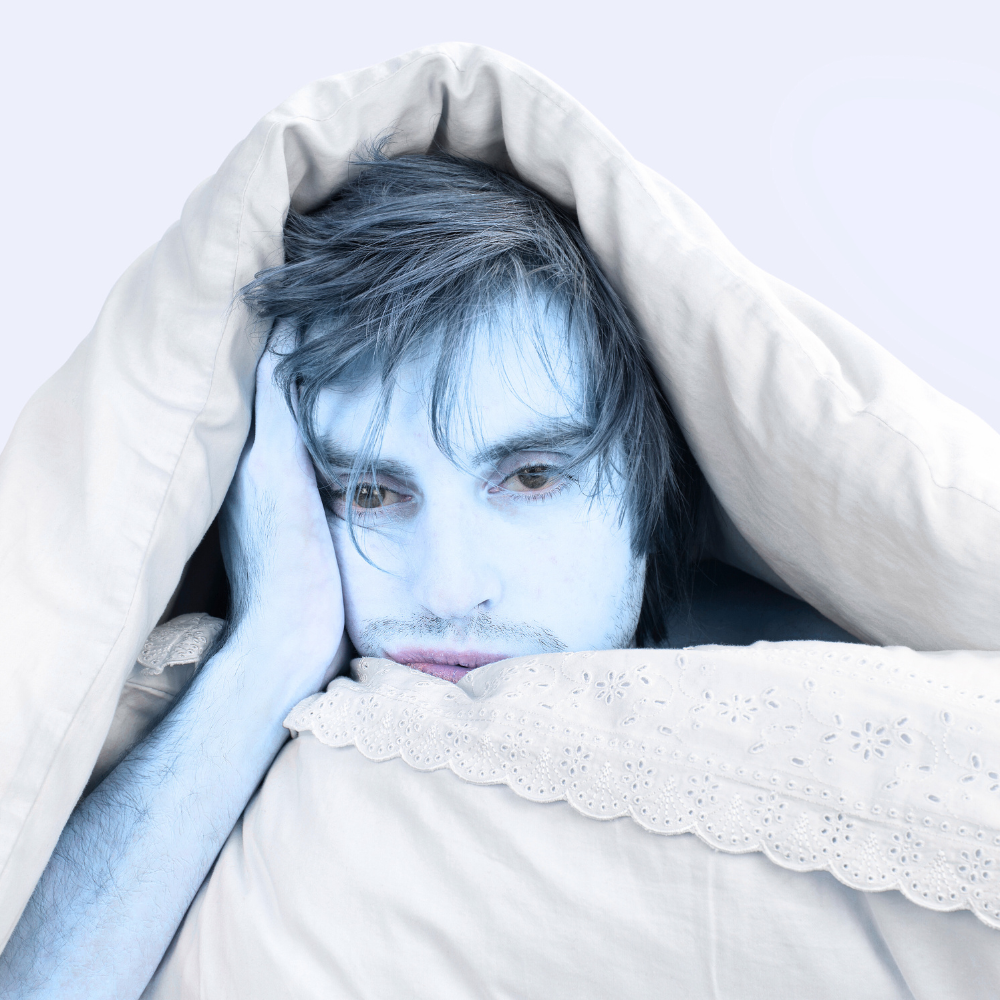
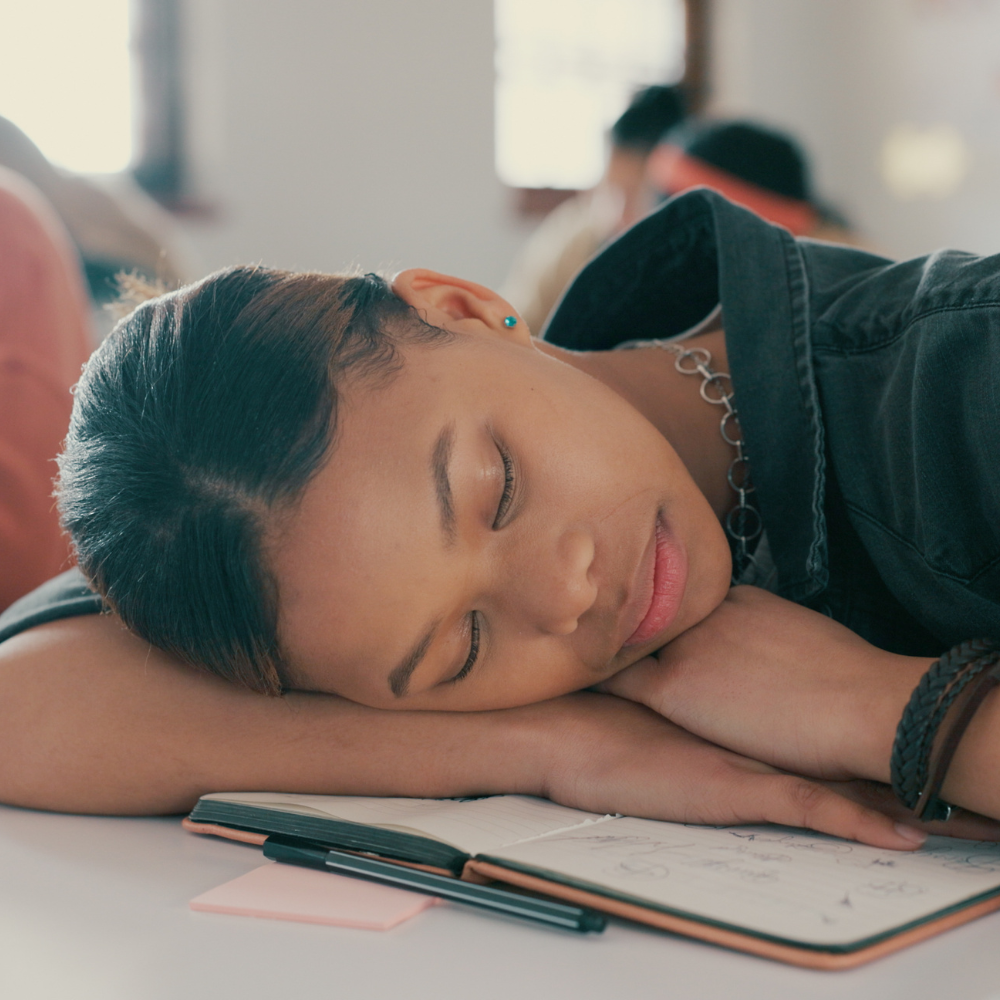
We’ve all been there – a restless night or a few hours of broken sleep, and suddenly the day ahead feels like climbing a mountain. Whether it’s because of stress, a deadline, a newborn, or just one of those nights, running on little or no sleep can be tough.
But the good news is, you can still get through your day feeling as alert and focused as possible. Here’s how to survive and even thrive on minimal sleep, with practical tips, scientific insights, and a bit of self-care along the way.
Did you know that missing a few hours of sleep doesn’t just affect you for one day? It accumulates as “sleep debt,” which can take several days to repay fully. So, even if you’ve had a bad night, prioritising quality sleep over the next few days is essential.
Why Sleep Matters – Even More Than You Think
Before we jump in, it’s worth remembering why sleep is so vital. Sleep isn’t just a time-out; it’s when your body repairs itself, your brain processes memories, and your immune system gets a boost.
According to the NHS, adults ideally need 7 to 9 hours of sleep per night. Sleep deprivation affects your mood, concentration, and even your physical health. One night of poor sleep can reduce your reaction time, just like being over the legal alcohol limit to drive!
How Sleep Deprivation Affects You Throughout the Day
When you don’t get enough sleep, it’s normal to feel:
Foggy-headed and forgetful
Irritable and impatient
Lethargic and unmotivated
Hungry, especially for sugary or carb-heavy foods
Understanding these symptoms helps you tackle them better – so don’t beat yourself up!
Step One: Start Your Day Right – But Don’t Overdo It
Hydrate First Thing
Your body loses fluids overnight, so begin your day with a large glass of water. Hydration can help shake off the grogginess and boost brain function.
Skip the Heavy Breakfast
While you might crave a full English fry-up, a lighter breakfast with protein and slow-release carbs will keep your energy steadier throughout the morning. Think porridge with nuts or scrambled eggs on wholegrain toast.
Use Caffeine Wisely
A cup of tea or coffee can improve alertness. However, be mindful not to overdo it. The NHS recommends keeping caffeine intake to no more than 400mg per day – about four cups of coffee [4]. Also, avoid caffeine after 2pm to prevent further sleep disruption.
Step Two: Start Your Day Right – But Don’t Overdo It
Lorem ipsum dolor sit amet, consectetur adipiscing elit. Ut elit tellus, luctus nec ullamcorper mattis, pulvinar dapibus leo.
Break Your Day into Chunks
When sleep-deprived, your concentration dips quickly. Break your work into smaller, manageable tasks. Use timers – work for 25 minutes, then take a 5-minute break (the Pomodoro technique). This helps your brain reset and prevents overwhelm.
Prioritise Important Tasks
Tackle your most critical or demanding work first, when your mind is still relatively fresh. Leave routine or less challenging jobs for later
Use Light and Movement to Your Advantage
Natural daylight signals your brain it’s time to be awake. Spend time near a window or outside if you can. A quick 5-minute stretch or walk can increase circulation and alertness.
Step Three: What to Avoid When You’re Sleep Deprived
Avoid Alcohol: Even small amounts can deepen tiredness and affect your cognitive function [5].
Avoid Heavy or Sugary Foods: While tempting, they cause energy spikes followed by crashes.
Avoid Multitasking: Your brain struggles to switch between tasks when tired.
Avoid Long Meetings or Intense Conversations: These demand concentration you might not have right now.
Step 3: Use Power Naps to Recharge
A short nap of 10-20 minutes can boost your mood, alertness, and performance without leaving you feeling groggy. If possible, take your nap mid-afternoon. Avoid napping longer than 30 minutes, as this can lead to sleep inertia – the groggy, heavy-headed feeling when waking from deep sleep.
Step 4: Use Mindfulness and Breathing Exercises
When fatigue causes frustration or anxiety, take a moment to reset your mind.
Try This Simple Breathing Exercise:
Breathe in slowly for 4 seconds
Hold your breath for 4 seconds
Exhale gently for 6 seconds
Repeat for a minute or two
This can calm your nervous system and improve focus, helping you power through the afternoon slump.
Step 5: Stay Nourished and Hydrated Throughout the Day
A short nap of 10-20 minutes can boost your mood, alertness, and performance without leaving you feeling groggy. If possible, take your nap mid-afternoon. Avoid napping longer than 30 minutes, as this can lead to sleep inertia – the groggy, heavy-headed feeling when waking from deep sleep.
Snack Smartly
Choose snacks that combine protein, healthy fats, and fibre to avoid energy crashes. Nuts, seeds, yoghurt, or sliced veggies with hummus are great options.
Keep Drinking Water
Dehydration worsens tiredness, so keep sipping water throughout the day.
Step 6: Prepare for a Better Night Ahead
Finally, focus on setting yourself up to recover.
Create a calm, dark, and cool sleeping environment.
Avoid screens an hour before bed.
Try gentle stretches or a warm bath to relax.
Consider herbal teas like chamomile or valerian to help you unwind.
When to Seek Help
If you regularly find yourself running on too little sleep, or if daytime tiredness interferes with your daily life, it’s important to speak to your GP. You could be dealing with an underlying issue like insomnia, sleep apnoea, or a mental health condition.
Final Thoughts: Be Kind to Your Sleep-Deprived Self
No one functions perfectly without sleep. Listen to your body, take sensible breaks, and be gentle with yourself. You might not be at 100%, but you can still get through the day with these strategies. And remember, a good night’s sleep is the best remedy for tomorrow.
References
NHS UK. “How much sleep do we need?” https://www.nhs.uk/live-well/sleep-and-tiredness/how-much-sleep-do-we-need/
National Sleep Foundation. “Sleep Deprivation and Driving.” https://www.sleepfoundation.org/articles/why-sleep-deprivation-dangerous
NHS UK. “Caffeine: How much is too much?” https://www.nhs.uk/live-well/eat-well/caffeine/
Sleep Foundation. “Alcohol and Sleep.” https://www.sleepfoundation.org/nutrition/alcohol-and-sleep
Harvard Medical School. “The science of napping.” https://www.health.harvard.edu/blog/the-science-of-napping-2018021513089