If you’ve ever found yourself staring at the ceiling, counting sheep, or scrolling your phone for hours without a wink of sleep, you’re definitely not alone. Falling asleep quickly can sometimes feel like an impossible task, especially when your mind is racing or stress is high.
So the big question is: How do I fall asleep faster? Luckily, there are simple, effective strategies you can try TONIGHT to help you do just that.
In this article, we’ll explore the science behind falling asleep, common sleep disruptors, and practical tips you can start using immediately to fall asleep faster and wake up feeling refreshed.
Why Do Some People Fall Asleep Fast, and Others Struggle?
Before we jump into the tips, it’s helpful to understand what falling asleep actually means.
When you fall asleep, your body transitions from wakefulness to different stages of sleep — starting with light sleep and moving into deep restorative sleep and REM (dreaming) sleep. For many people, it’s the transition into that first light sleep stage that can take forever.
Common Reasons You Might Be Tossing and Turning
Stress or anxiety racing through your mind
Poor sleep habits or irregular schedule
Using electronics before bed
Caffeine or heavy meals late in the day
Uncomfortable sleep environment
Medical conditions or sleep disorders
Understanding these barriers is the first step to overcoming them.
How Long Should It Take to Fall Asleep?
On average, healthy adults fall asleep within 10 to 20 minutes of hitting the pillow. If it consistently takes you longer than 30 minutes, it could indicate an issue worth addressing.
12 Tips to Help You Fall Asleep Faster Tonight
1. Stick to a Consistent Sleep Schedule
Your body loves routine. Going to bed and waking up at the same time every day (yes, even weekends) helps regulate your internal clock, making it easier to fall asleep quickly.
2. Create a Relaxing Bedtime Routine
Signal to your brain it’s time to wind down with calming activities:
Reading a physical book (not on a screen)
Taking a warm bath
Gentle stretching or yoga
Meditation or deep breathing exercises
Try to keep this routine consistent so your body starts to expect sleep after these activities.
3. Limit Screen Time Before Bed
The blue light emitted by phones, tablets, and computers suppresses melatonin, the hormone that helps you feel sleepy. Aim to power down your devices at least 30-60 minutes before bedtime.
If you can’t avoid screens, try blue light filters or glasses designed to block blue light.
4. Avoid Caffeine and Nicotine Late in the Day
Caffeine can stay in your system for up to 8 hours and is a well-known sleep disrupter. Nicotine is also a stimulant that can affect your ability to fall asleep.
Try to cut off caffeine intake by early afternoon.
5. Watch What You Eat and Drink Before Bed
Heavy meals, spicy food, or alcohol close to bedtime can interfere with your sleep. Alcohol might help you fall asleep initially but tends to disrupt sleep cycles later in the night.
Keep evening snacks light and avoid large meals 2-3 hours before bed.
6. Make Your Sleep Environment Comfortable
Your bedroom should be a sleep sanctuary:
Cool temperature (around 60-67°F or 15-19°C)
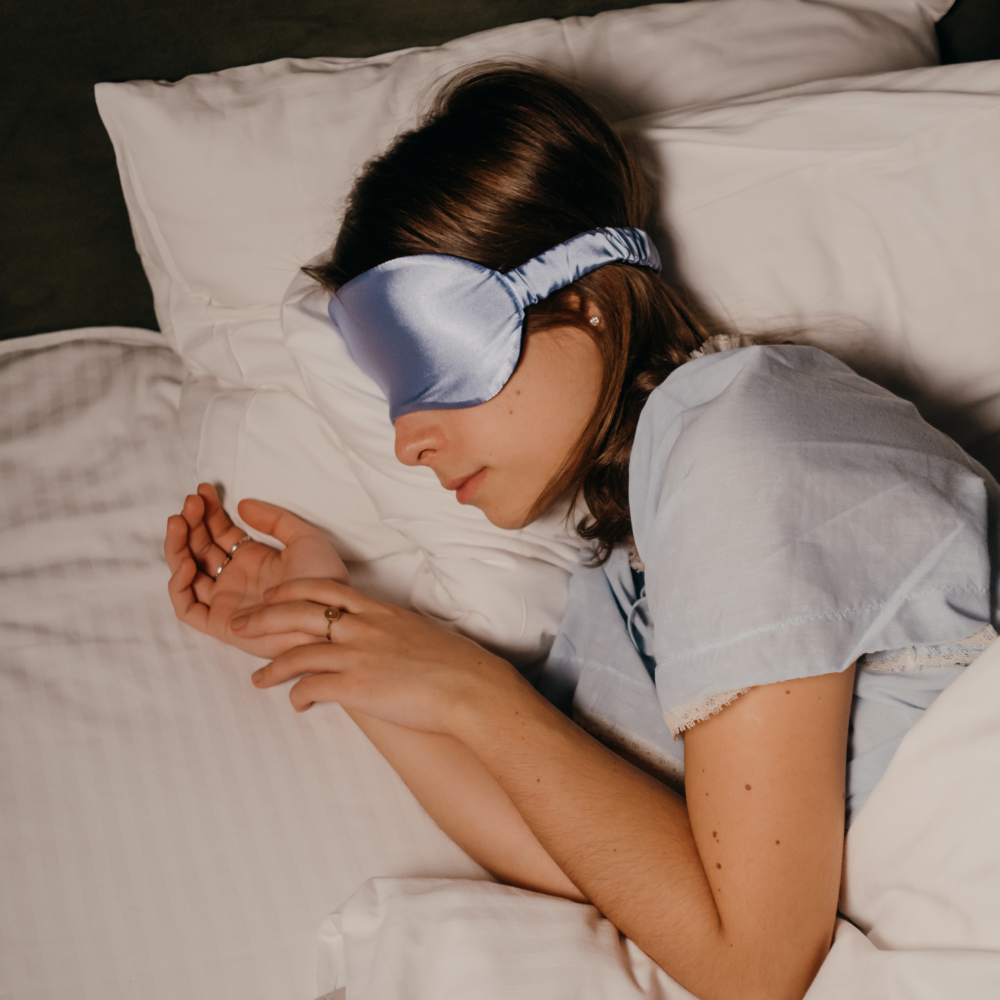
Dark (use blackout curtains or a sleep mask)
Quiet (consider white noise machines or earplugs)
Comfortable mattress and pillows
7. Use the “4-7-8” Breathing Technique
This simple breathing exercise helps calm your nervous system and promotes relaxation:
Breathe in quietly through your nose for 4 seconds
Hold your breath for 7 seconds
Exhale completely through your mouth for 8 seconds
Repeat 3-4 times
Many people find it helps slow racing thoughts and makes falling asleep easier.
8. Try Progressive Muscle Relaxation
Starting at your toes and working your way up, tense each muscle group for a few seconds, then release. This technique helps reduce physical tension and signals your body to relax.
9. Limit Naps During the Day
While naps can be refreshing, long or late-day naps can interfere with your ability to fall asleep at night. If you must nap, keep it short (20-30 minutes) and earlier in the afternoon.
10. Exercise Regularly — But Not Right Before Bed
Regular physical activity helps regulate your sleep patterns. However, vigorous exercise close to bedtime can stimulate your body and delay sleep.
Aim to finish workouts at least 3 hours before bed.
11. Manage Stress and Anxiety
If worry keeps you awake, consider stress-management techniques like:
Journaling your thoughts before bed
Practicing mindfulness meditation
Talking to a trusted friend or therapist
Sometimes addressing the root cause of stress can dramatically improve sleep.
12. Use Sleep Aids Sparingly and Wisely
Over-the-counter sleep aids or supplements like melatonin can help short-term but aren’t a long-term solution. Always consult with a healthcare provider before using sleep medications
What NOT to Do If You Want to Fall Asleep Faster
Some habits seem harmless but actually make it harder to fall asleep:
Lying in bed awake for hours: If you can’t fall asleep after 20 minutes, get up and do something relaxing in dim light until you feel sleepy again.
Clock-watching: Staring at the clock can increase anxiety and make it harder to relax.
Drinking lots of fluids before bed: This can cause disruptive trips to the bathroom.
When Should You See a Doctor About Sleep Problems?
If you consistently struggle to fall asleep despite trying these tips, or if you experience symptoms like loud snoring, gasping for air at night, or excessive daytime sleepiness, it’s time to consult a healthcare professional.
You may have an underlying sleep disorder like:
Insomnia
Sleep apnea
Restless leg syndrome
Narcolepsy
Why Falling Asleep Faster Matters
Falling asleep quickly isn’t just about saving time — it’s a sign that your body and brain are functioning well. Poor sleep onset is linked to:
Reduced memory and concentration
Mood disorders like anxiety and depression
Weakened immune system
Increased risk of chronic diseases like diabetes and heart disease
By improving how fast you fall asleep, you’re investing in your overall health and well-being.
FAQs: How Do I Fall Asleep Faster?
Is it normal to take more than 30 minutes to fall asleep?
Occasionally, yes. But if it happens often, it could indicate sleep problems.
Can meditation really help me fall asleep?
Absolutely! Meditation calms your mind and reduces stress, making sleep easier.
Is melatonin safe for sleep?
Melatonin can be helpful short-term but should be used cautiously and discussed with a doctor.
What if I’m a night owl? Can I change my sleep schedule?
Yes, with gradual adjustments and consistency, you can shift your body clock.
Quick Recap: How to Fall Asleep Faster
Keep a regular sleep schedule
Establish a calming bedtime routine
Avoid screens and stimulants before bed
Create a cool, dark, quiet bedroom
Practice relaxation techniques like breathing exercises
Manage stress and anxiety
Limit naps and avoid late-day exercise
Final Thoughts: How Do I Fall Asleep Faster
Falling asleep faster isn’t about trying harder — it’s about working with your body’s natural rhythms and creating an environment that encourages rest. Start with small changes, and be patient — better sleep habits take time to develop.
The next time you ask yourself, “How do I fall asleep faster?”, remember these tips and give yourself permission to unwind.
Sweet dreams!