
Sleep paralysis is not dangerous in itself, but it can be disturbing, exhausting, and emotionally draining.
Ever woken up in the middle of the night and found yourself unable to move or speak? Maybe you felt a heavy pressure on your chest or thought you saw something lurking in the shadows. If this sounds familiar, you’re not alone — and you’ve likely experienced sleep paralysis.
But here’s the big question: Is sleep paralysis dangerous? The short answer? Not physically. But emotionally and psychologically? That’s a different story.
In this article, we’ll explore what sleep paralysis really is, why it happens, whether it’s harmful, and what you can do to prevent it. So let’s dive in — and hopefully help you sleep a little easier tonight.
What Is Sleep Paralysis?
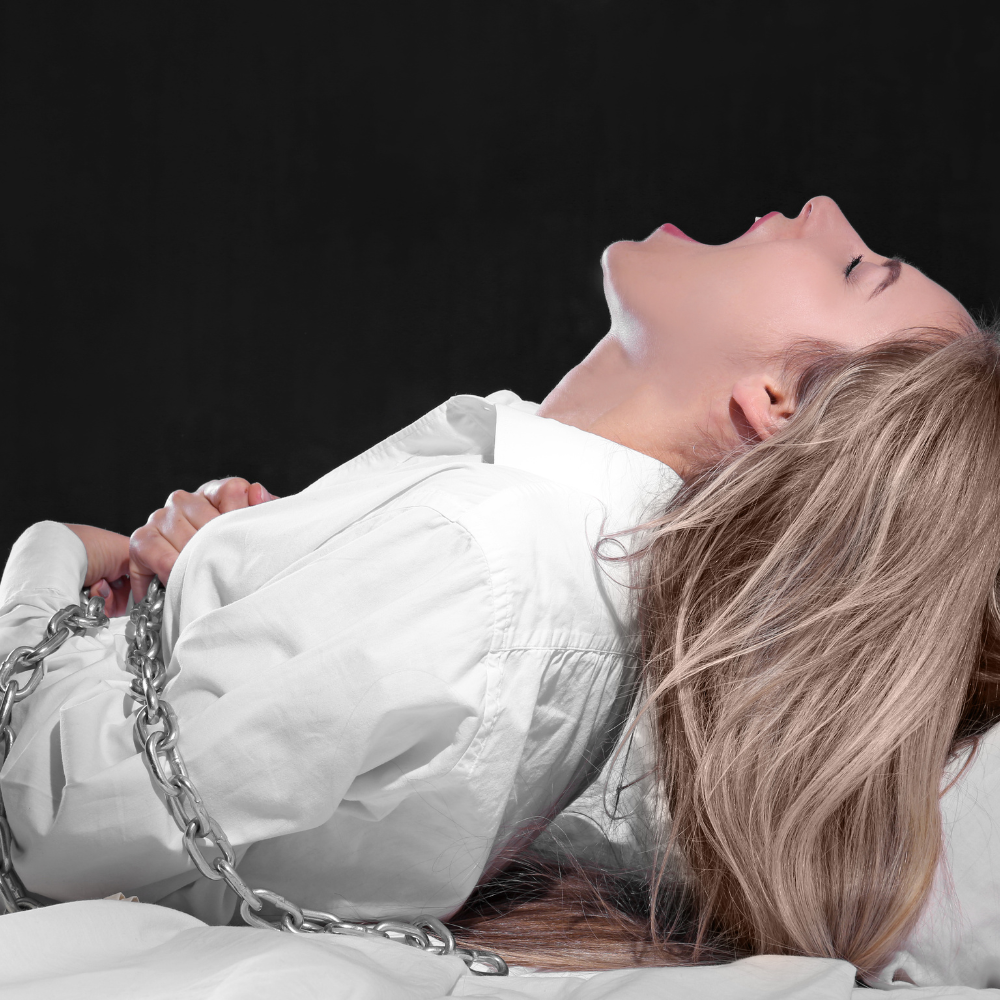
Sleep paralysis is a phenomenon that occurs when you wake up during REM (Rapid Eye Movement) sleep but your body hasn’t quite caught up yet. Your brain is awake, but your body is still temporarily “paralysed,” which is a natural part of REM sleep that prevents you from physically acting out your dreams.
Common Symptoms of Sleep Paralysis
Inability to move or speak
Sensation of pressure on the chest
Feeling of being watched
Hallucinations (visual, auditory, or tactile)
Panic or intense fear
This usually lasts anywhere from a few seconds to a couple of minutes, and while it can be terrifying, it’s not harmful or life-threatening.
Is Sleep Paralysis Dangerous?
Let’s get straight to the point: No, sleep paralysis is not dangerous in a medical sense. You won’t stop breathing. You’re not at risk of dying. You’re not being possessed by demons (although it might feel that way in the moment).
But let’s not sugar-coat it — the experience can be deeply unsettling.
Why Does It Feel So Scary?
The terror often comes from the hallucinations that can accompany sleep paralysis. Many people report seeing dark figures, hearing whispers, or feeling a sinister presence in the room. This is sometimes referred to as the “intruder hallucination.”
Your mind is in a half-dreaming state, and it fills in the gaps with fear. This is your brain trying to make sense of a very confusing situation.
The Science Behind Sleep Paralysis
So why does this happen in the first place? Sleep paralysis occurs during the transition between wakefulness and sleep, usually during REM sleep, which is when most of our dreaming occurs.
Causes of Sleep Paralysis
There isn’t one single cause, but several factors can increase your likelihood of experiencing it:
Poor sleep hygiene
Irregular sleep schedules
Sleep deprivation
Stress and anxiety
Sleeping on your back
Narcolepsy or other sleep disorders
Who Gets Sleep Paralysis?
Sleep paralysis is more common than you might think. Research shows that about 8% of the general population experiences it at least once in their lifetime. It’s even more common in students, shift workers, and people with mental health conditions like anxiety or PTSD.
The Science Behind Sleep Paralysis
Here’s where it gets tricky. While sleep paralysis itself isn’t physically dangerous, its psychological effects can’t be ignored.
The Emotional Toll
People who experience frequent episodes often develop sleep anxiety — the fear of falling asleep because they dread going through it again. This can create a vicious cycle: anxiety leads to poor sleep, which increases the chances of sleep paralysis, which leads to more anxiety.
In some cases, it can contribute to:
Insomnia
Depression
Panic attacks
Avoidant behavior around sleep
How to Stop or Prevent Sleep Paralysis
Now that we’ve tackled the fear, let’s talk about prevention. The good news is that for most people, simple lifestyle changes can significantly reduce episodes.
Prioritise Sleep Hygiene
Good sleep hygiene is your first line of defense:
Stick to a consistent sleep schedule
Avoid screens at least 30 minutes before bed
Create a calming nighttime routine
Keep your room dark, quiet, and cool
Reduce Stress and Anxiety
Easier said than done, right? But even small stress-reducing habits can make a big difference:
Practice mindfulness or meditation
Try gentle yoga or stretching
Journal your thoughts before bed
Talk to a therapist if needed
Avoid Sleeping on Your Back
Studies suggest that sleep paralysis is more likely to happen when you sleep on your back. Try sleeping on your side to see if that helps.
Limit Stimulants and Alcohol
Caffeine, nicotine, and alcohol can disrupt your sleep cycles. Try to avoid them in the hours leading up to bedtime.
When Should You See a Doctor?
If sleep paralysis is happening frequently or affecting your quality of life, it’s worth bringing up with a doctor or sleep specialist. It could be a sign of an underlying sleep disorder, such as:
Narcolepsy
Obstructive sleep apnea
REM Sleep Behavior Disorder (RBD)
They may recommend a sleep study, cognitive behavioral therapy, or even medication in rare cases.
Debunking Myths About Sleep Paralysis
Let’s clear up some of the more dramatic stories you may have heard:
Myth 1: You Can Die During Sleep Paralysis
False. Your brain is in full control of your autonomic functions, like breathing and heartbeat..
Myth 2: It’s a Supernatural Experience
Not necessarily. While cultural interpretations vary (some believe it’s demons, spirits, or ghosts), science explains it as a neurological misfire during the sleep-wake transition.
Myth 3: It Only Happens at Night
Incorrect. Sleep paralysis can also occur during daytime naps, especially if you’re overly tired or stressed.
The Cultural Side of Sleep Paralysis
Interestingly, how people interpret sleep paralysis varies dramatically across cultures. Here are just a few examples:
Japan: Called kanashibari, and often attributed to spirits or ghosts.
Nigeria: Known as “the devil on your back.”
United States/Western culture: Commonly associated with alien abductions or paranormal encounters.
Scandinavian folklore: Involves a “mare” (a malicious creature) sitting on the chest of the sleeper.
These cultural beliefs show how much our minds try to rationalize something we don’t fully understand.
So, Is Sleep Paralysis Dangerous?
Here’s the takeaway: Sleep paralysis is not dangerous in itself, but it can be disturbing, exhausting, and emotionally draining. The fear is real — but it’s rooted in biology, not the supernatural.
Understanding what’s happening in your body and brain can take a lot of the power away from the fear. And with a few changes to your sleep habits, many people find they can reduce — or even eliminate — episodes altogether.
So if you ever wake up and find yourself frozen, unable to speak, and convinced something’s in the room with you… take a deep breath. It’s just sleep paralysis — and you’re going to be okay.
FAQs About Sleep Paralysis
Can sleep paralysis harm me physically?
No. You are safe, and the paralysis will wear off in seconds to minutes.
Can I wake myself up during sleep paralysis?
Some people find that focusing on wiggling a toe or finger can help break the paralysis.
Does everyone experience hallucinations?
Not always. Some people just feel paralysed without any hallucinations or fear.
Can children get sleep paralysis?
Yes, although it’s more common in teenagers and adults.
Want Better Sleep? Start Here
Sleep paralysis is a signal from your body that something might be off with your sleep routine. If you’re struggling with consistent, high-quality rest, it’s worth taking a deeper look at your sleep hygiene, stress levels, and daily habits.
Your nights don’t have to be terrifying — and with the right approach, you can take back control of your sleep.

One Response