If you or someone you love is dealing with loud snoring, restless nights, or constant fatigue during the day, chances are sleep apnoea could be the culprit. It’s a condition that affects millions of people—but here’s the big question: Can sleep apnoea be cured?
Let’s dive into what causes sleep apnoea, the treatment options available, and whether a full cure is really possible.
What Is Sleep Apnoea, Exactly?
Sleep apnoea is more than just snoring. It’s a serious sleep disorder where your breathing repeatedly stops and starts throughout the night. These pauses in breathing can last from a few seconds to minutes and can happen dozens or even hundreds of times per night.
The two main types are:
Obstructive Sleep Apnoea (OSA)
The most common type, caused by a blockage in your airway.
It’s a condition where the muscles in your throat relax too much while you’re sleeping, causing your airway to narrow or even close off completely for a few seconds — sometimes even longer. This can happen multiple times a night without you even realising it, and each time it briefly stops your breathing.
Your brain kicks in and wakes you up just enough to get you breathing again, which messes with your sleep cycle and leaves you feeling tired, groggy, or unfocused the next day.
Central Sleep Apnoea (CSA)
Central sleep apnoea (CSA) is a bit different from the more common obstructive type.
Instead of your airway getting blocked, CSA happens because your brain doesn’t send the proper signals to the muscles that control your breathing while you sleep. So, for short periods, your body just “forgets” to breathe.
You might not even snore with CSA, which makes it trickier to spot, but you’ll still likely feel tired, foggy, or short of breath during the day. If you’re experiencing disrupted sleep without the usual snoring, or if you have other health conditions like heart failure or have recently had a stroke, CSA could be the underlying issue. It’s less common, but just as important to identify and manage.
Lifestyle Changes That Can Make a Huge Difference
Regular Exercise
Staying active helps you maintain a healthy weight, which directly affects sleep apnoea, but it also strengthens your heart, improves lung function, and can even improve the quality of your sleep. Even 30 minutes of moderate activity most days can make a difference.
Keeping a Consistent Sleep Routine
Going to bed and waking up at the same time every day helps regulate your sleep cycles. Poor sleep habits or irregular schedules can worsen apnoea symptoms by increasing fatigue and sleep disturbance.
Weight Loss
If you’re carrying extra weight, especially around your neck, it can narrow your airway and worsen sleep apnoea because the excess fatty tissue puts pressure on the throat muscles, making it more likely that your airway will collapse or become blocked when you lie down to sleep. This added pressure can disrupt your breathing more frequently throughout the night.
The good news is that losing even a small amount of weight can reduce this pressure, improve airflow, and significantly ease your symptoms. For many people, shedding just a few kilos can lead to better sleep quality, fewer apnoea episodes, and more energy during the day.
Treating Nasal Congestion
If you have allergies or frequent nasal congestion, it can block your nose and make you breathe through your mouth, which often worsens sleep apnoea by causing your airway to collapse more easily.
Using nasal sprays or allergy medications can clear your nasal passages, promote nasal breathing, and help reduce snoring and apnoea events. It’s a simple step that can make a big difference, especially during allergy season or when you’re unwell.
Sleep Position
Sleeping on your back can worsen obstructive sleep apnoea because gravity causes your tongue and the soft tissues in your throat to relax backward, which can block your airway more easily. This position makes it harder for air to flow freely in and out of your lungs, increasing the chances of interrupted breathing throughout the night.
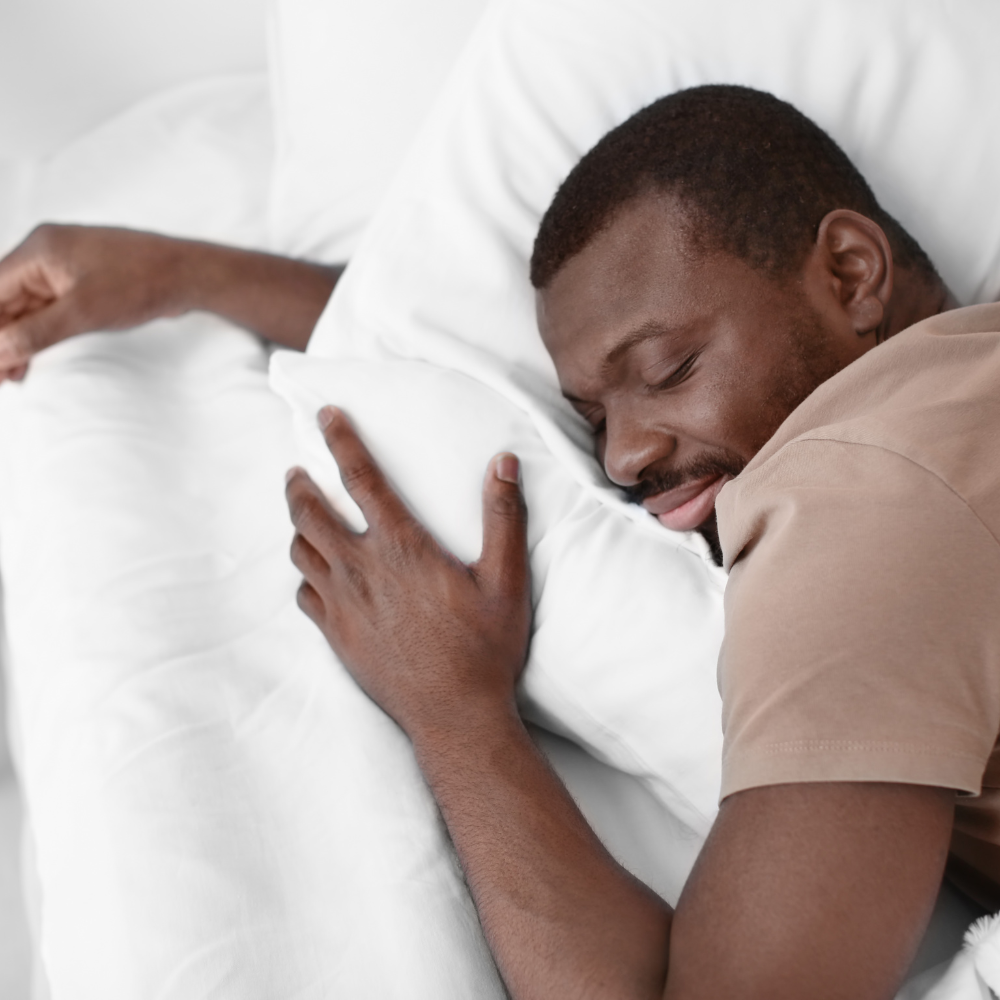
On the other hand, sleeping on your side helps keep your airway more open by preventing your tongue and throat muscles from collapsing into the airway. Side-sleeping can significantly reduce the number and severity of apnoea events, leading to a more restful, uninterrupted sleep. For some people, this simple change in sleep position can make a big difference in managing their symptoms.
Raising The Head of Your Bed
Slightly elevating the head of your bed or using a wedge pillow can help reduce snoring and apnoea events by using gravity to your advantage.
When you lie flat on your back, especially if you’re overweight or have excess tissue around your neck, your tongue and soft tissues in the throat are more likely to fall backward and obstruct your airway.
Elevating your head—by around 4 to 6 inches—helps keep your airway in a more open position and reduces the likelihood of it collapsing during sleep. This can lead to fewer breathing interruptions and better oxygen flow throughout the night. It also helps reduce acid reflux, which can sometimes trigger or worsen sleep apnoea symptoms.
A wedge pillow or adjustable bed makes it easier to maintain that position comfortably all night, without having to constantly readjust your pillows.
Avoid Alcohol and Sedatives
Alcohol and sedatives can worsen obstructive sleep apnoea because they relax the muscles in your throat even more than usual during sleep. This increased relaxation makes it much easier for the airway to collapse or become blocked, which leads to more frequent and longer pauses in your breathing. These substances also reduce your body’s natural drive to wake up and reopen the airway when breathing stops, meaning apnoea events can become more severe.
Even if you don’t normally snore or experience symptoms, drinking alcohol or taking sedatives close to bedtime can trigger or worsen sleep apnoea. Avoiding them—especially in the evening—can help keep your airway more stable and reduce disruptions to your sleep.
Quit Smoking and Vaping
Quitting smoking and vaping can have a big impact on improving sleep apnoea symptoms.
Smoking irritates and inflames the lining of your airway, causing it to swell and produce more mucus—both of which can make it harder to breathe freely while you sleep.
Vaping may seem like a less harmful alternative, but it can still cause airway inflammation and disrupt normal breathing patterns. This ongoing irritation can make the airway more likely to collapse during sleep, especially in people already prone to apnoea.
By quitting, you reduce inflammation, improve your breathing, and give your body a better chance at uninterrupted, restorative sleep. It’s not always easy, but the benefits—for both your sleep and overall health—are worth it!
Avoiding Heavy Meals Late at Night
Eating large or rich meals too close to bedtime can increase pressure on your diaphragm and worsen apnoea symptoms, especially in people with acid reflux (which is also common in OSA sufferers).
Managing Stress And Anxiety
High stress makes it harder to fall and stay asleep because it keeps your body in “alert mode,” releasing stress hormones that make your mind race and muscles tense. This can worsen sleep apnoea symptoms and create a cycle of poor sleep.
Relaxation techniques like deep breathing, meditation, or a calming bedtime routine help lower stress hormones, calm your nervous system, and prepare your body for better sleep. Improving sleep quality this way can reduce fatigue and ease the impact of sleep apnoea, helping you feel more refreshed.
Sleep Aponea Treatment Options That Can Help
When it comes to tackling obstructive sleep apnoea, there are several treatment options that can really help you get a better night’s sleep and feel more energised during the day. Here’s a quick rundown of the most common ones — and what you can expect from each.
No matter which treatment you explore, the key is to find what works best for your lifestyle and symptoms. Getting your sleep apnoea under control can truly transform your energy, mood, and overall health — so don’t hesitate to talk to your healthcare provider about the options that might be right for you.
CPAP (Continuous Positive Airway Pressure)
CPAP is often called the gold standard for treating OSA. The machine gently blows air through a mask you wear over your nose or mouth while you sleep. This steady stream of air acts like a splint, keeping your airway open and preventing those frustrating pauses in breathing. While it’s not a cure, many people find that CPAP dramatically reduces their symptoms, helping them sleep more soundly and wake up feeling refreshed. It can take a little getting used to, but once you find the right mask and settings, it can make a huge difference.
Oral Appliances
If a CPAP machine sounds intimidating or uncomfortable, oral appliances might be a good alternative. These are custom-made mouthguard-like devices that fit in your mouth while you sleep. They work by gently repositioning your jaw or tongue to keep your airway open. They’re often easier to travel with and less intrusive than CPAP, though they’re usually best for mild to moderate cases of sleep apnoea.
Surgery
In some situations, surgery can be an option to fix sleep apnoea, especially if your symptoms are caused by structural problems like excess tissue, a deviated septum, or issues with your jaw. Surgery might involve removing or reshaping tissues in your nose, throat, or airway to create more space for airflow. For younger people or those who aren’t overweight, surgery can sometimes offer a long-term solution or even a cure. Of course, surgery comes with its own risks and recovery time, so it’s important to discuss this thoroughly with your doctor and consultant.
Inspire Therapy
A newer, high-tech option called Inspire Therapy involves a small device implanted in your chest, which works kind of like a pacemaker but for your breathing muscles. It sends gentle stimulation to the muscles in your throat to keep your airway open while you sleep. It’s designed for people who can’t tolerate CPAP or want a different option, and it’s been shown to significantly reduce sleep apnoea events and improve sleep quality.
So, Can Sleep Apnoea Be Cured?
The answer is sometimes. While not everyone will find a permanent cure, many people significantly reduce or eliminate their symptoms with the right combination of lifestyle changes, treatments, or medical interventions.
What matters most is not ignoring the signs. Sleep apnoea isn’t just about snoring—it can lead to serious health issues like heart disease, high blood pressure, and even depression if left untreated.
If you suspect you have sleep apnoea, talk to your doctor or a sleep specialist. The path to better sleep—and better health—might be closer than you think!