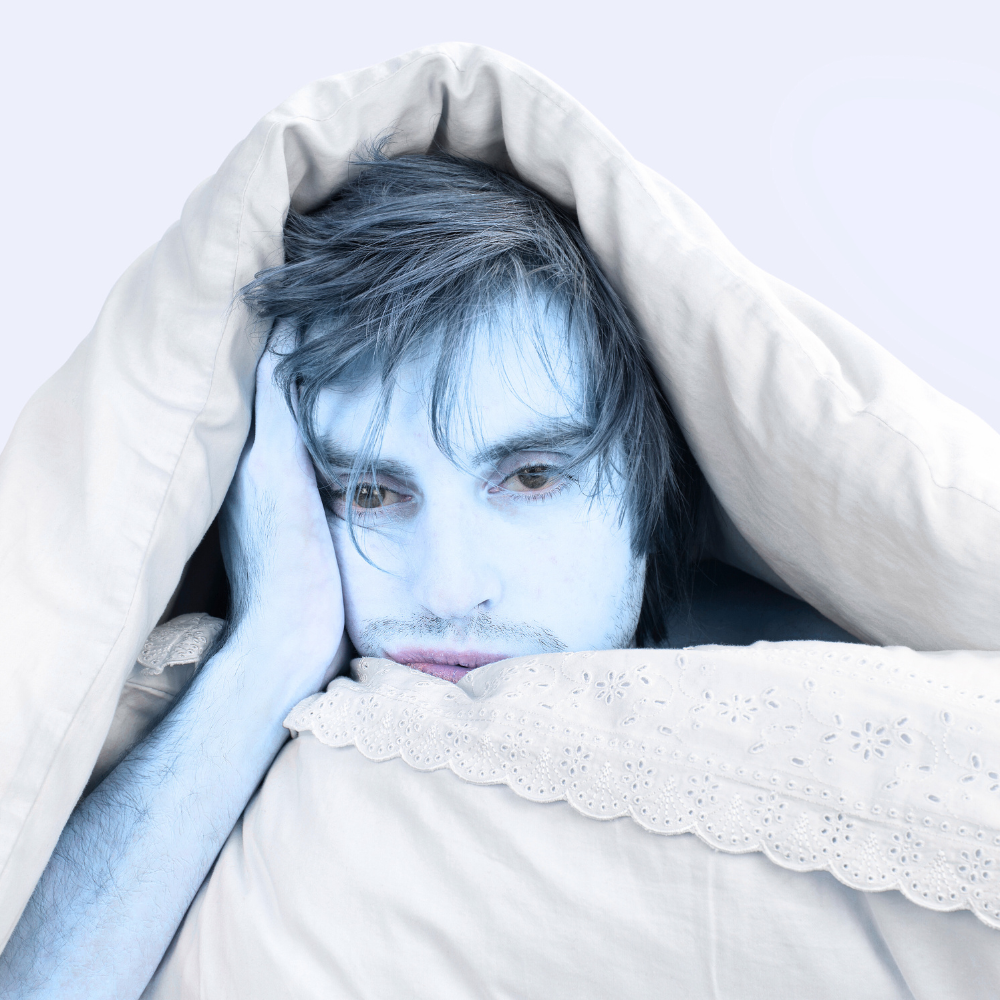
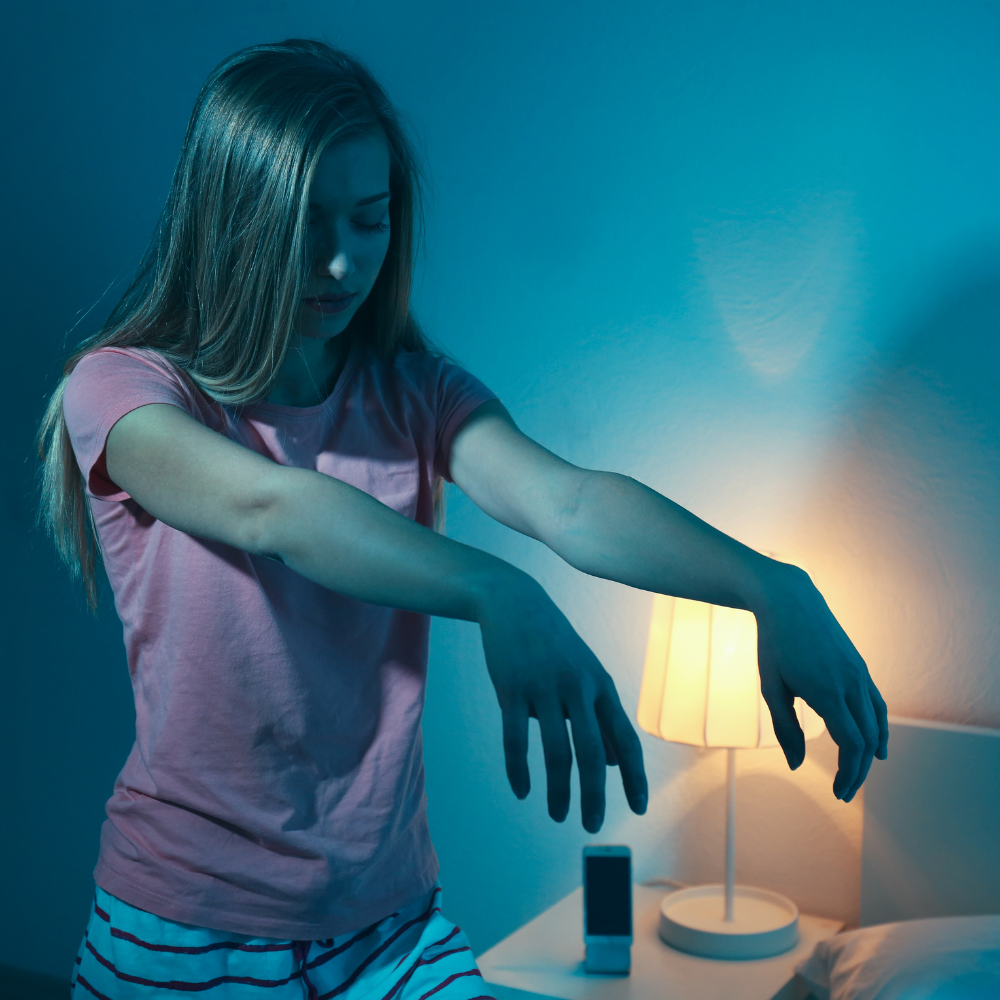
Have you ever felt overwhelmingly tired during the day, no matter how much sleep you had the night before? Or maybe you’ve noticed sudden, uncontrollable bouts of sleepiness that hit at the worst possible moments? These might be signs of narcolepsy — a sleep disorder that’s more common than you might think, yet often goes undiagnosed.
In this article, we’ll explore the five key signs of narcolepsy so you can spot the symptoms early and seek the help you need. Ready to learn what to look out for? Let’s dive in!
What is Narcolepsy?
Before we jump into the signs of narcolepsy, it’s helpful to get a clear picture of what this condition actually is. Narcolepsy is a neurological disorder—which means it involves the way your brain functions—specifically affecting its ability to regulate your natural sleep-wake cycles. Think of your brain as having an internal clock that tells you when to be awake and when to sleep. In narcolepsy, this clock gets a bit mixed up, causing your body to struggle with staying awake and asleep at the right times.
The most well-known symptom is excessive daytime sleepiness, where you feel overwhelmingly tired during the day. This isn’t just feeling a bit sleepy after a late night — it’s a constant, heavy tiredness that can lead to sudden “sleep attacks.” These sleep attacks are moments where your body just can’t help but fall asleep immediately, regardless of the situation. But narcolepsy doesn’t stop there; it can also involve other symptoms like muscle weakness triggered by emotions, sleep paralysis, and vivid hallucinations.
According to the NHS, narcolepsy affects roughly 1 in every 2,000 people in the UK (NHS.uk, 2023), which means there are many people silently managing the condition without a proper diagnosis. It’s a lifelong condition, so it’s important to understand that while narcolepsy doesn’t currently have a cure, with the right diagnosis, treatment, and lifestyle adjustments, many people live well-managed, fulfilling lives.
Recognising the symptoms early and getting professional help can make a huge difference. So, let’s take a closer look at those telltale signs to keep an eye on.
The 5 Signs of Narcolepsy You Should Know
1. Excessive Daytime Sleepiness (EDS)
This is the hallmark symptom of narcolepsy, and it can really take you by surprise. Imagine feeling a persistent and overwhelming urge to nap during the day — even if you’ve had a full, uninterrupted night’s sleep. It’s not like the usual tiredness you get after a busy day; this is a deep, bone-weary kind of sleepiness that’s almost impossible to shake off.
These sudden “sleep attacks” can strike at the most inconvenient moments. You could be in the middle of an important meeting at work, settled comfortably watching your favourite TV show, or even chatting with friends, and suddenly your body feels like it’s giving in to the need for sleep. You might find your eyelids drooping uncontrollably, your head nodding, or your thoughts becoming foggy.
What makes this symptom so tricky is that it’s unpredictable and often intense, making it difficult to stay focused and alert throughout the day. It’s not just about feeling tired; it’s a relentless, irresistible urge to fall asleep that can interfere with your daily activities, relationships, and even your safety — especially if you’re driving or operating machinery.
2. Cataplexy
Cataplexy is one of the most distinctive—and sometimes startling—symptoms of narcolepsy. It’s a sudden and brief loss of muscle tone that’s usually triggered by strong emotions such as laughter, surprise, excitement, or even anger. Imagine laughing at a joke and, suddenly, your knees feel weak, as if they might give way beneath you. Or maybe your jaw slackens, making it hard to speak clearly. In more severe cases, cataplexy can cause a complete collapse, where your body momentarily goes limp.
What’s important to know is that during these episodes, you remain fully conscious and aware of what’s happening around you. It can feel quite unsettling because your body is reacting in a way that’s beyond your control, but your mind stays sharp. People often describe cataplexy as a sort of “freeze” or “weakness” that comes out of nowhere, catching them off guard, especially in moments of joy or surprise.
This symptom varies widely from person to person — for some, it might be a mild twitch or weakness, while for others, it could be more pronounced and disruptive. If you experience cataplexy, it’s a strong indicator to speak to a healthcare professional, as it’s closely linked to narcolepsy and helps in making an accurate diagnosis.
Not everyone with narcolepsy has cataplexy, but it’s considered a distinctive sign when present.
3. Sleep Paralysis
Sleep paralysis is one of those symptoms that sounds far scarier than it actually is—but it can still be pretty frightening when it happens to you. This occurs when you find yourself temporarily unable to move or speak as you’re either falling asleep or waking up. The strange part is, your mind is wide awake and fully aware, but your body feels completely “frozen,” like you’re trapped inside yourself.
This “locked-in” feeling can last anywhere from just a few seconds to a couple of minutes, which can feel like an eternity when you’re experiencing it. Because you can’t move or call out, many people describe it as terrifying, sometimes accompanied by a sense of pressure on the chest or an overwhelming feeling of dread. It’s no wonder sleep paralysis has inspired all sorts of spooky stories and legends!
The good news is that sleep paralysis itself isn’t harmful, and it usually passes on its own. It’s thought to happen because your brain is waking up before your body’s muscle control systems have fully “switched on.” This mismatch can be quite unsettling but is a recognised part of narcolepsy’s sleep disruption.
Understanding what sleep paralysis is and knowing that it’s temporary can help ease the fear when it happens. If it occurs frequently, though, it’s worth discussing with your GP or a sleep specialist, especially if it’s disrupting your rest or causing anxiety.
4. Hallucinations
Narcolepsy can also bring about vivid, dream-like hallucinations that catch many people off guard. These hallucinations typically happen at two key moments: just as you’re falling asleep (called hypnagogic hallucinations) or right when you’re waking up (hypnopompic hallucinations). What makes them so unsettling is how incredibly real they can feel.
These aren’t your everyday daydreams or fleeting images — they can be visual, like seeing shapes or figures in the room; auditory, such as hearing voices or noises; or even sensory, like feeling touches or movements that aren’t actually there. Because of their lifelike nature, these hallucinations can sometimes be quite disturbing or frightening, especially if you’re not aware they’re a symptom of narcolepsy.
Scientists believe these hallucinations happen due to the brain’s disrupted sleep stages. Normally, when you fall asleep or wake up, your brain transitions smoothly between different states, including REM (rapid eye movement) sleep, which is when most dreaming occurs. But in narcolepsy, these boundaries blur, and dream-like activity can spill over into waking moments. This overlap explains why the hallucinations feel so vivid and immersive.
While they can be alarming, understanding that these experiences are a part of the condition—and not a sign of something more serious—can be reassuring. If these hallucinations become frequent or distressing, your doctor might suggest ways to manage them as part of your overall treatment plan.
5. Disrupted Night-Time Sleep
You might naturally assume that narcolepsy only causes excessive daytime sleepiness, but the reality is a bit more complicated. Many people with narcolepsy also struggle with poor-quality sleep at night, which often goes unnoticed or misunderstood. Instead of enjoying a deep, restorative night’s rest, their sleep tends to be fragmented—meaning they wake up frequently throughout the night, sometimes without even realising it.
This restless sleep can feel like tossing and turning endlessly, with difficulty falling back asleep after each awakening. It’s not just a mild inconvenience either; these disruptions can prevent you from reaching the deeper stages of sleep that your body needs to feel refreshed and restored. As a result, you might wake up feeling just as exhausted as when you went to bed.
Many people with narcolepsy describe their nights as restless, with a constant sense of not quite “switching off.” Sometimes this can lead to a frustrating cycle—because you’re not sleeping well at night, your daytime sleepiness worsens, making it even harder to function during the day.
So, narcolepsy doesn’t just hijack your daytime energy—it also steals the quality of your night-time rest, which is essential for overall health and wellbeing. Understanding this can help you approach treatment more comprehensively, addressing both daytime symptoms and night-time sleep issues to improve your overall quality of life.
Why Early Diagnosis Matters
If you recognise some or all of these signs in yourself or someone you love, it’s important to see a GP. Narcolepsy is often misdiagnosed as depression, epilepsy, or simply poor sleep habits, so getting the right diagnosis can be life-changing.
Tests like overnight sleep studies and multiple sleep latency tests (MSLT) help confirm the diagnosis. Once diagnosed, treatments such as medication, lifestyle changes, and sleep hygiene can improve symptoms considerably.
Living with Narcolepsy: Tips to Help You Manage
Stick to a sleep schedule: Try to go to bed and wake up at the same time every day.
Short naps: Planned naps during the day can reduce sleepiness.
Limit caffeine late in the day: It might interfere with your night’s sleep.
Exercise regularly: Gentle exercise can improve overall alertness.
Talk about it: Support groups and counselling can help manage emotional impacts.
Living with Narcolepsy: Tips to Help You Manage
Narcolepsy might sound daunting, but knowing the signs can empower you to seek help sooner and take back control of your sleep and daily life. Remember, excessive daytime sleepiness and sudden muscle weakness aren’t just “tiredness” — they’re signals your body needs attention.
If you’ve been struggling with unexplained sleepiness, why not chat with your GP and get to the root of it? Better sleep and better days could be just around the corner.