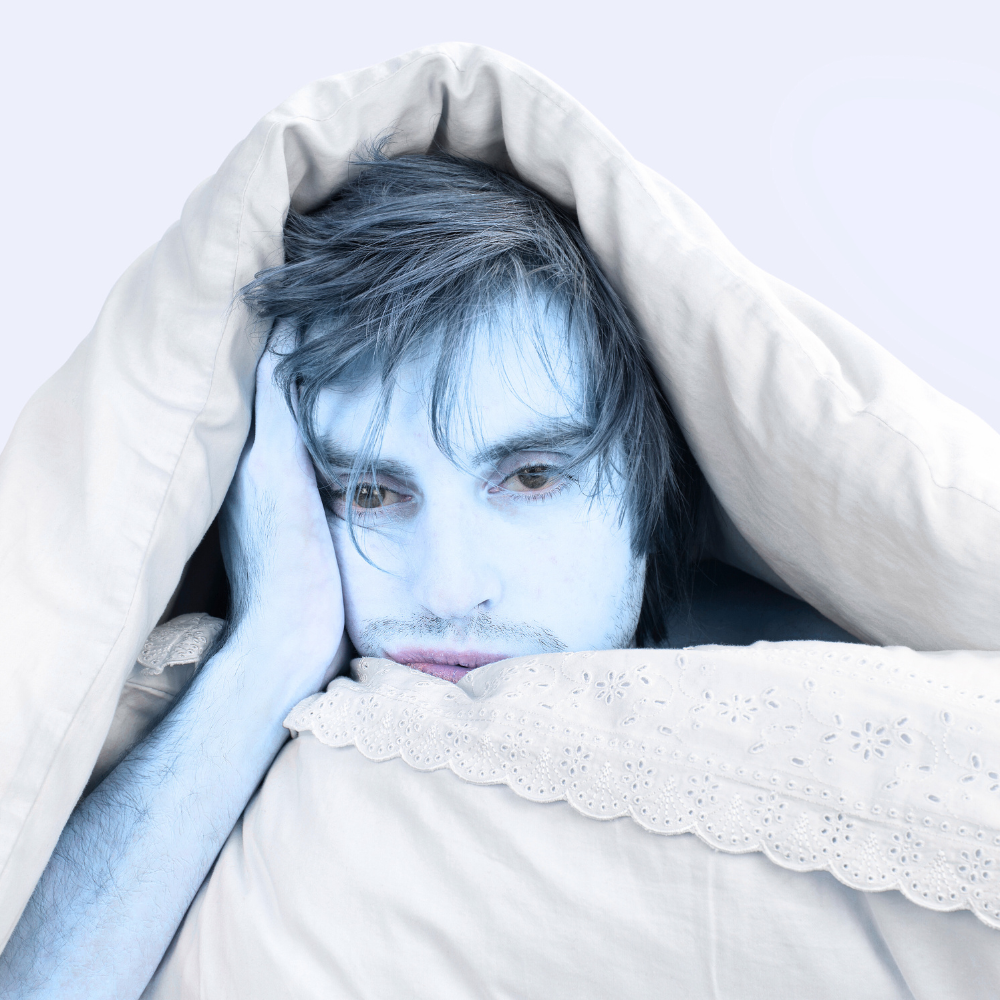
You’ve probably heard of Restless Legs Syndrome (RLS) before, but what exactly is it? If your legs have ever felt that uncontrollable urge to move — especially when you’re trying to relax or get to sleep — then you might have experienced a touch of RLS. It’s a common but often misunderstood condition that can seriously affect your sleep and wellbeing.
In this article, I’ll walk you through what RLS is, why it happens, and what you can do about it. Let’s get to the bottom of those twitchy legs, shall we?
What Exactly is Restless Legs Syndrome?
Restless Legs Syndrome, also called Willis-Ekbom Disease, is a neurological condition that causes uncomfortable sensations in your legs, often described as tingling, crawling, or itching feelings. These sensations create an overwhelming urge to move your legs to relieve the discomfort.
You might notice it most when you’re sitting or lying down, especially in the evening or at night. It’s this timing that makes RLS tricky because it can seriously disrupt your ability to fall asleep or stay asleep.
According to the NHS, around 1 in 20 people in the UK have RLS symptoms — so you’re definitely not alone (NHS.uk, 2023).
What Causes Restless Legs Syndrome?
The exact cause of RLS is still a bit of a mystery. However, research suggests it could be linked to issues with dopamine — the brain chemical that helps control muscle movement.
There are also some known triggers and risk factors, such as:
Iron deficiency: Low iron levels are quite common in people with RLS. The NHS recommends checking your iron levels if you experience symptoms.
Pregnancy: Some pregnant women experience RLS, particularly in the third trimester.
Chronic conditions: Diabetes, kidney failure, and Parkinson’s disease have been linked to RLS.
Family history: RLS can run in families, so genetics might play a role.
It’s worth noting that for many people, symptoms come and go. Sometimes they flare up after long periods of inactivity or in the evenings.
How Does RLS Affect Your Sleep?
Sleep disruption is one of the biggest challenges for anyone with Restless Legs Syndrome. The uncomfortable sensations usually kick in when you’re trying to relax, making it hard to settle down for a restful night.
This can lead to:
Difficulty falling asleep
Frequent waking during the night
Feeling tired and fatigued during the day
If you find yourself nodding off during the day or struggling to concentrate, it could well be down to interrupted sleep caused by RLS.
According to a study by the Sleep Council, poor sleep affects nearly a third of UK adults and can have serious consequences on mood, memory, and overall health (SleepCouncil.org.uk, 2023).
How Can You Manage Restless Legs Syndrome?
While there’s no one-size-fits-all cure for RLS, there are plenty of ways to manage the symptoms and get a better night’s sleep.
Try These Simple Tips First
Stay active: Regular gentle exercise can ease symptoms, but avoid strenuous workouts late in the evening.
Stretch and massage: Stretching your legs before bed and giving yourself a good calf massage can provide relief.
Limit caffeine and alcohol: These can worsen symptoms, especially if consumed later in the day.
Keep a sleep routine: Going to bed and waking up at the same time helps your body get into a good rhythm.
Warm or cool baths: Some people find relief soaking their legs in warm or cool water.
When to See a Doctor
If your symptoms are severe, frequent, or worsening, it’s a good idea to speak to your GP. They might suggest:
Blood tests to check iron levels
Prescription medication that targets dopamine pathways
Reviewing other medications that might be contributing
Remember, the right treatment varies for everyone, so working closely with your healthcare provider is key.
Living Well with Restless Legs Syndrome
While RLS can be frustrating, many people learn to manage their symptoms and live full, active lives. Support groups and online communities can be a great place to share tips and find encouragement.
If you want to learn more or get advice, the Restless Legs Syndrome Foundation and the NHS website offer helpful resources tailored to your needs.
Living Well with Restless Legs Syndrome
Restless Legs Syndrome might sound like a small nuisance, but for those affected, it can make a real difference to quality of life — especially sleep. The good news is that understanding your condition and making simple lifestyle changes can help you take back control.
If you’ve ever felt that creeping urge to move your legs at night, now you know you’re not alone — and help is at hand.
Sleep well, and here’s to quieter, calmer legs tonight!